
Reiki for Women: A Self Care Ritual for Overwhelm and Self Love

Some days, the body keeps going long after the heart has asked for a pause.
For many women, overwhelm does not suddenly show up as one big dramatic moment. It shows up as a full calendar, unanswered texts, meals to plan, children or parents to care for, work to finish, emotions to hold, and a quiet feeling of being stretched too thin. The needs of everyone else become louder than the need for rest.
That is one reason Reiki has become part of a self care ritual for women who want more than a quick fix. Reiki offers a quiet space to pause, receive, breathe, and come back to themselves. It is not a replacement for medical or mental health care, but many people use it as a supportive practice for relaxation, reflection, and emotional steadiness.

Reiki gives women permission to receive
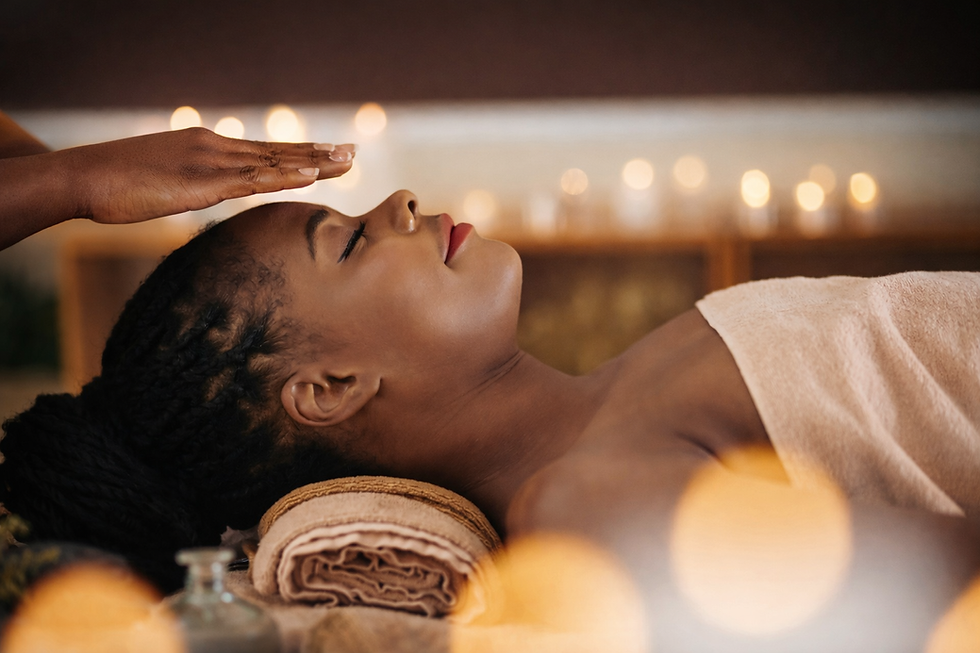
Reiki is a gentle energy practice that began in Japan. During a session, a practitioner places their hands lightly on or just above the body while the recipient rests, usually fully clothed. The focus is calm, presence, and balance.
For women who spend much of their lives caring for others, the most powerful part of Reiki may be the simple act of receiving.
No one is asking for dinner.
No one is needing a ride.
No one is waiting for an answer.
No one needs emotional repair.
For a short time, the nervous system gets a different message: you are allowed to be held, supported, and still.
That can feel unfamiliar at first. Many women are so used to being useful that rest can bring up guilt. Reiki gently challenges that pattern. It creates a space where care is not earned through productivity. It is simply accepted.
This is why Reiki for Women: A Self Care Ritual for Overwhelm and Self Love speaks to a deeper need than relaxation alone. It meets the quiet exhaustion that comes from always being “on.”
Reiki helps turn self care into a ritual
Self care often gets reduced to things we try to squeeze in after everything else is done. A face mask after midnight. A rushed bath. A walk taken only after burnout has already set in.
Reiki invites a different rhythm. It can become a ritual of return, a regular practice that says, “I matter too.”
A Reiki ritual does not have to be complicated. It may include:
A few minutes of quiet before the session
Setting a simple intention
Turning off the phone
Drinking water afterward
Journaling what came up
Sitting in silence before jumping back into the day
The ritual matters because it creates a boundary around self care. It tells the body and mind that this time is protected.
For women who feel pulled in every direction, that boundary can be healing in itself. It is a choice to step out of constant doing and into intentional being. Even one session a month can become a reminder that care does not always have to be outward-facing.
Reiki can support emotional release during overwhelm
Overwhelm often lives in the body. It may feel like tight shoulders, shallow breathing, a heavy chest, fatigue, irritability, or a mind that will not slow down.
A Reiki session gives the body a chance to soften. Many people describe feeling warm, heavy, peaceful, or deeply relaxed. Some notice emotions rise to the surface. Tears may come, even without a clear story attached. Others simply feel still for the first time in weeks.
None of this needs to be forced or analyzed.
Reiki is often used today alongside other wellness practices because it offers space for gentle emotional release. A session can become a place to notice what has been pushed aside: sadness, resentment, worry, grief, or the ache of not having enough time for oneself.
That noticing can be tender. It can also be deeply honest.
When a woman has been everything for everyone else, Reiki may help her reconnect with the parts of herself that have been waiting patiently for attention.

Reiki as an act of self love
Self love is not always loud or glamorous. Sometimes it looks like stopping before the body forces a stop. Sometimes it means admitting, “I cannot keep pouring from an empty cup.” Sometimes it is booking the session, closing the door, and letting someone else hold space for a change.
Reiki can be an act of self love because it asks for presence rather than performance.
There is nothing to prove during a session. No goal to reach. No perfect way to relax. The practice meets the person exactly where she is, tired, tender, distracted, emotional, or unsure.
This can be especially meaningful for women who are used to measuring their worth by how much they give. Reiki offers a softer truth: being cared for is not selfish.
That truth can ripple into daily life. After regular Reiki sessions, some women may feel more aware of their limits. They may notice when they are saying yes from guilt. They may find it easier to pause before taking on another task. The practice becomes less about the session alone and more about the relationship they are rebuilding with themselves.
Building Reiki into everyday life
Reiki does not have to stay inside a treatment room. Its spirit can become part of daily self care.
A simple at-home practice might look like this:
Sit or lie down somewhere quiet.
Place one hand on the heart and one on the belly.
Take slow breaths without trying to fix anything.
Repeat a kind phrase, such as “I am allowed to rest.”
Stay for five minutes.
This is not the same as a full Reiki session with a trained practitioner, but it can carry the same intention: pause, presence, and compassion.
For women who are overwhelmed, the goal is not to add another obligation. The goal is to create small moments of return. A hand on the heart before bed. Three deep breaths in the car before walking into the house. A monthly Reiki session marked on the calendar as nonnegotiable care.
Self love grows through repetition. Each small act says, “I am listening.”
A softer way back to yourself
Reiki is being used today by many women as a gentle support during seasons of stress, caregiving, emotional fatigue, and personal transition. It offers quiet in a noisy life. It makes space for receiving. It turns self care into something sacred rather than optional.
The real gift of Reiki may be the reminder that a woman does not have to disappear inside everyone else’s needs. She can pause. She can breathe. She can be cared for.
And she can begin again from a place of love.

Comments