
Unlocking the Healing Power of Reiki: Benefits and Scientific Insights

Reiki has gained attention as a gentle healing practice that many people find helpful for stress relief and overall well-being. But what exactly is Reiki, and how does it work? This post explores the benefits of Reiki and looks at the scientific ideas behind it, helping you understand why it might be worth trying.
What Is Reiki?
Reiki is a form of energy healing that originated in Japan in the early 20th century. The word "Reiki" combines two Japanese words: rei, meaning universal, and ki, meaning life energy. Practitioners believe that this life energy flows through all living things and that when it is low or blocked, people can feel unwell physically or emotionally.
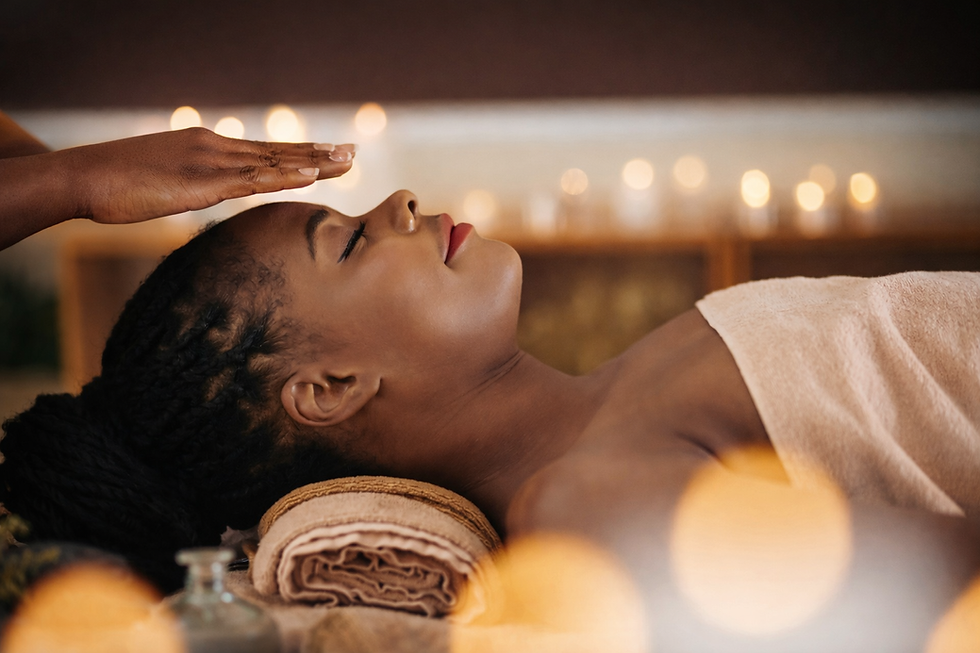
During a Reiki session, a practitioner places their hands lightly on or just above the person’s body. The goal is to channel energy to promote relaxation, reduce stress, and support the body’s natural healing processes. Reiki is non-invasive and can be used alongside other treatments.
Key Benefits of Reiki
People turn to Reiki for many reasons. Here are some of the most common benefits reported by those who practice or receive Reiki:
Stress reduction and relaxation
Reiki helps calm the nervous system, which can lower stress hormones and promote a deep sense of peace.
Pain relief
Some people find Reiki helps ease chronic pain or discomfort, including headaches, arthritis, or muscle tension.
Improved mood and emotional balance
Reiki may support emotional healing by helping people release negative feelings and feel more centered.
Better sleep
Relaxation from Reiki can improve sleep quality, helping those with insomnia or restless nights.
Support for recovery
Reiki is often used alongside medical treatments to support recovery from surgery, illness, or injury.
These benefits come from many personal stories and some clinical studies, though Reiki is not a replacement for medical care.
The Science Behind Reiki
Reiki’s effects can seem mysterious because it involves energy that cannot be measured directly by current scientific tools. Still, researchers have explored how Reiki might work using concepts from biology and psychology.
How Reiki May Affect the Body
Activation of the parasympathetic nervous system
Reiki sessions often lead to deep relaxation, which activates the parasympathetic nervous system. This system slows the heart rate, lowers blood pressure, and reduces stress hormones like cortisol.
Release of endorphins
Relaxation and touch can trigger the release of endorphins, the body’s natural painkillers, which may explain pain relief during Reiki.
Placebo effect and expectation
The belief that Reiki will help can itself produce positive effects. This does not mean Reiki is “just” placebo; rather, the mind-body connection plays a strong role in healing.
Improved mood and reduced anxiety
Studies show that Reiki can reduce anxiety and depression symptoms, possibly by balancing brain chemistry and promoting calm.
What Research Shows
Several small studies have tested Reiki’s effects:
A 2017 review in the Journal of Evidence-Based Complementary & Alternative Medicine found that Reiki helped reduce pain and anxiety in patients with various conditions.
Research published in Pain Management Nursing reported that Reiki reduced pain and improved mood in cancer patients.
A study in Explore journal showed that Reiki lowered heart rate and blood pressure in healthy adults.
While these studies show promising results, many have small sample sizes or lack control groups. More rigorous research is needed to fully understand Reiki’s mechanisms and benefits.
What to Expect in a Reiki Session
If you decide to try Reiki, here is what typically happens:
You lie down or sit comfortably, fully clothed.
The practitioner places their hands lightly on or just above different parts of your body.
You may feel warmth, tingling, or deep relaxation.
Sessions usually last 30 to 60 minutes.
Many people feel calm and refreshed afterward.
Reiki is safe for most people and can be used alongside other treatments. Always inform your healthcare provider about complementary therapies you use.
Practical Tips for Exploring Reiki
Find a certified practitioner
Look for someone trained and certified by a reputable Reiki organization.
Keep an open mind
Reiki works differently for everyone. Some feel immediate benefits, others notice subtle changes over time.
Use Reiki as a complement
Reiki supports well-being but should not replace medical advice or treatment.
Try self-Reiki
Some people learn Reiki techniques to practice on themselves for daily relaxation.
Final Thoughts on Reiki and Healing
Reiki offers a gentle way to support relaxation, reduce stress, and improve emotional balance. While science has not yet fully explained how Reiki works, research suggests it can positively affect the nervous system and mood. If you are curious about alternative therapies, Reiki may be a useful addition to your wellness routine.
Remember, healing is personal. Exploring Reiki with an open mind and realistic expectations can help you discover if this energy practice fits your needs. Whether for pain relief, stress reduction, or emotional support, Reiki invites you to connect with your body’s natural ability to heal and find calm.

Comments